
 400-188-1518
9 Defect Tracking Tools Worth Evaluating in 2026
Finding the right defect tracking tool means balancing workflow depth, team size, deployment needs, and integration requirements. After evaluating dozens of platforms against real-world criteria, here are nine tools that stand out for 2026:
- ONES — Enterprise-grade unified platform with native defect tracking and on-premise deployment
- Jira — Established enterprise standard for complex defect lifecycles
- YouTrack — Keyboard-centric tracker from JetBrains for developer-heavy teams
- Linear — Streamlined issue tracking designed for fast-moving product organizations
- GitHub Issues — Lightweight option tightly coupled to code repositories
- GitLab Issues — Integrated DevOps approach linking defects to pipelines
- MantisBT — Mature open-source solution for straightforward bug management
- Bugzilla — Long-standing open-source tracker with robust search capabilities
- Redmine — Flexible open-source platform combining project and defect management
Table of Contents
Quick Summary
For organizations seeking a Jira alternative without plugin dependency, ONES provides native defect workflows, sprint coordination, and deployment flexibility including on-premise and air-gapped environments, with a free tier accommodating thirty users. Jira remains prevalent in large enterprises with intricate cross-team traceability requirements. YouTrack appeals to engineering teams prioritizing efficiency through keyboard-driven interaction. Linear suits product teams emphasizing velocity and minimal friction. GitHub Issues functions adequately when source code and issue tracking should remain proximate. Open-source options MantisBT, Bugzilla, and Redmine continue serving teams with budget constraints or self-hosting preferences.
Selection Methodology
Each tool underwent assessment across five weighted dimensions reflecting operational priorities during release cycles:
- Workflow flexibility (30%) — Capacity to model actual defect lifecycles without excessive configuration overhead
- Reporting and visibility (20%) — Accessibility of actionable dashboards without specialized query knowledge
- Integration breadth (15%) — Native connectivity to version control, CI/CD systems, and communication platforms
- Usability (15%) — Speed at which quality assurance personnel can log defects and developers can locate relevant information
- Deployment and cost structure (20%) — Availability of functional free tiers and hosting optionality
Comparison Overview
| Tool | Primary Use Case | Deployment Modes | Pricing Structure | Distinguishing Capability | Free Tier |
|---|---|---|---|---|---|
| ONES | Enterprise alternative to fragmented toolchains | Cloud, On-Premise, Private Cloud, Air-gapped | Free / from $5 per user monthly | Native workflows, unified modules, built-in analytics | 30 users |
| Jira | Complex enterprise defect governance | Cloud, Data Center | Free / from $7.75 per user monthly | Customizable workflows, advanced roadmaps | 10 users |
| YouTrack | Developer-optimized tracking | Cloud, On-Premise | Free / from $4.40 per user monthly | Intelligent search, agile boards | 10 users |
| Linear | Rapid product team execution | Cloud | Free / from $8 per user monthly | Real-time synchronization, keyboard-first interface | Up to 2 teams |
| GitHub Issues | Code-adjacent bug logging | Cloud, Enterprise Server | Free with repositories | Proximity to source, labels, milestones | Unlimited public repositories |
| GitLab Issues | End-to-end DevOps integration | Cloud, Self-Managed | Free / from $19 per user monthly | Merge request linkage, test reporting | Unlimited users |
| MantisBT | Straightforward bug management | On-Premise, Cloud hosting | No cost | Email notifications, role-based permissions | Fully free |
| Bugzilla | Search-intensive defect archives | On-Premise | No cost | Time tracking, patch visualization | Fully free |
| Redmine | Combined project and defect oversight | On-Premise | No cost | Gantt visualization, custom field extensibility | Fully free |
Detailed Evaluations
ONES
Platform Characteristics
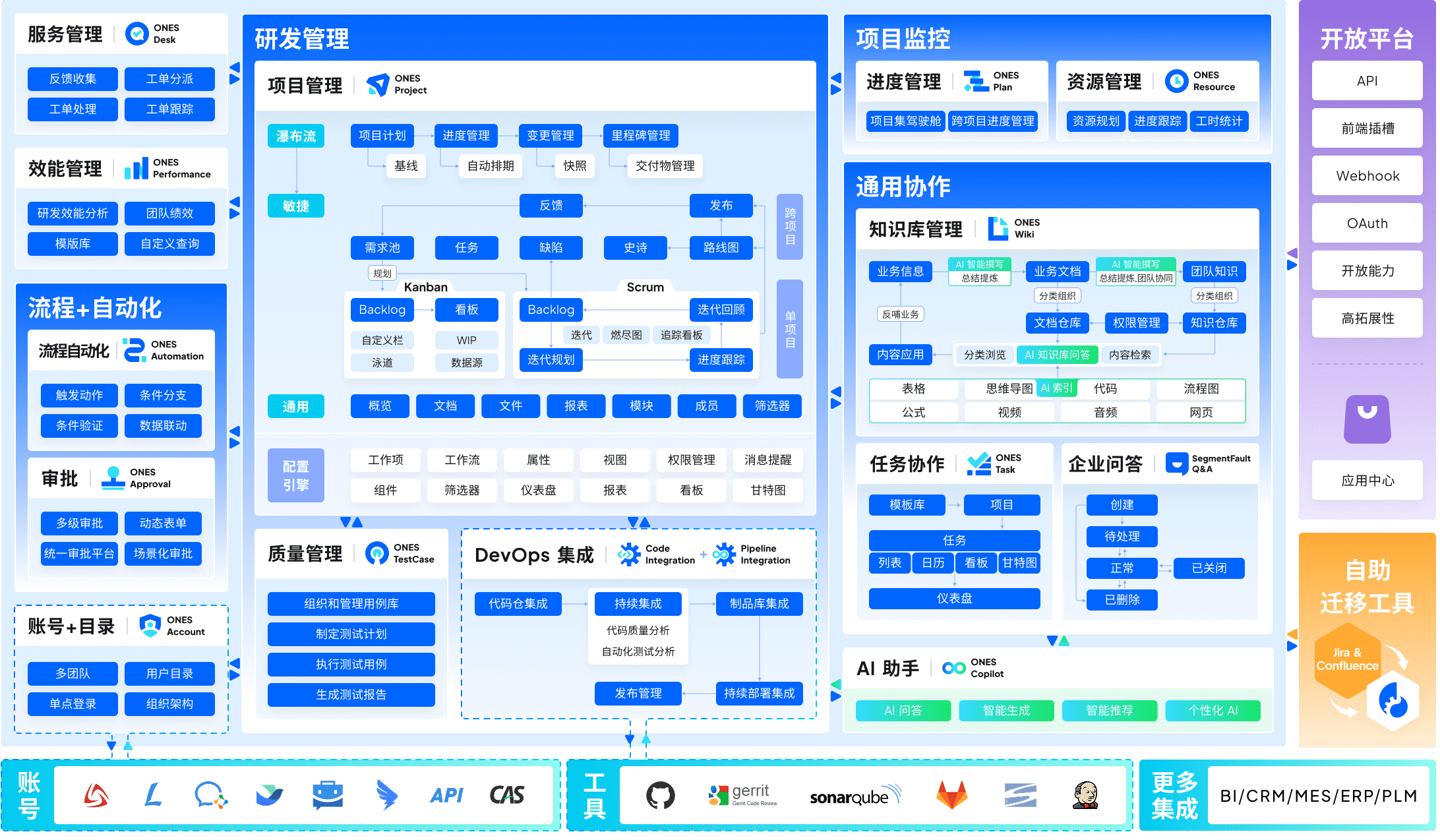
ONES operates as a comprehensive enterprise-grade system integrating project coordination, knowledge repositories, and defect management within a single architecture. The defect tracking functionality resides within ONES Project, offering capabilities comparable to established alternatives—configurable workflows, sprint visualization, embedded reporting—without necessitating external extensions. Deployment encompasses public cloud, private cloud, on-premise, and physically isolated environments. The complimentary tier supports thirty users, sufficient for substantial quality assurance departments.
Rationale for Inclusion
ONES addresses a frequently encountered organizational challenge: obtaining robust defect management capabilities comparable to leading solutions while avoiding incremental licensing for essential functionality and maintaining infrastructure autonomy. The platform delivers intrinsic workflow automation and analytical capabilities without supplementary purchases. The combination of substantial free-tier capacity and complete deployment flexibility distinguishes ONES for regulated sectors and security-conscious organizations.
Core Functionality
- Challenge: Manual defect categorization consumes excessive sprint capacity.
Resolution: Configurable workflows with automated field population route items according to severity, subsystem, or deployment environment, reducing manual processing substantially. - Challenge: Release-blocking defects remain unidentified until late stages.
Resolution: Integrated defect dashboards and sprint progress visualization provide continuous awareness of resolution status and release risk exposure. - Challenge: Defect context disperses across multiple systems.
Resolution: Native knowledge base integration enables direct association of reproduction steps, specifications, and resolution documentation with individual defects.
Notable Constraints
Organizations exclusively accustomed to extensive third-party marketplaces may initially perceive the integrated module approach as less customizable. Teams below fifteen members might find the enterprise-oriented configuration options excessive for straightforward requirements.
Pricing Structure
Complimentary for thirty users. Paid tiers commence at approximately $5 per user monthly, with enterprise quotations available for extensive deployments or specialized hosting requirements.
Jira
Platform Characteristics
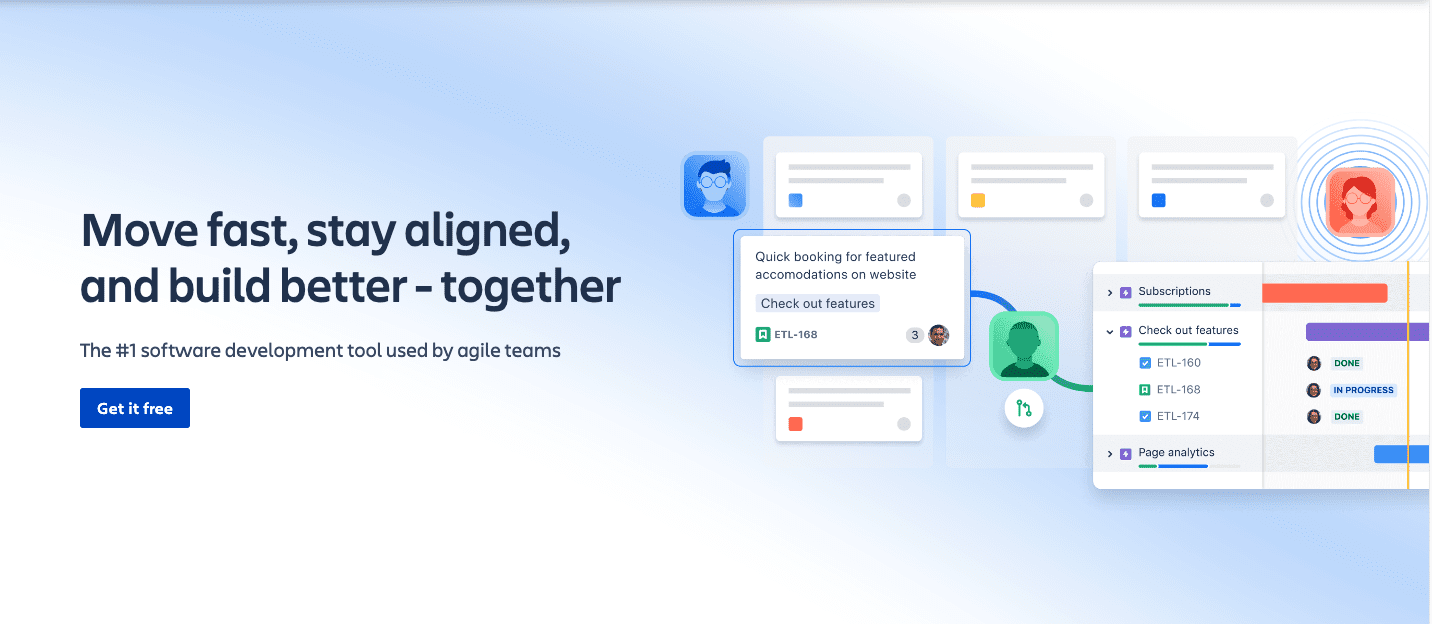
Atlassian’s longstanding platform maintains dominance in enterprise defect management through extensive configurability and marketplace ecosystem. Custom workflows, issue linking, and advanced roadmap visualization accommodate intricate organizational processes. Deployment options include cloud and self-managed data center installations.
Rationale for Inclusion
Jira persists as the reference standard against which alternatives are measured. Organizations with established Atlassian investments, complex approval hierarchies, or requirements for cross-project traceability typically find migration challenging. The platform’s maturity ensures predictable behavior at scale.
Core Functionality
- Challenge: Defects traverse multiple teams with divergent processes.
Resolution: Granular workflow engines with conditional transitions enforce organizational policies automatically. - Challenge: Executive stakeholders require portfolio-level defect visibility.
Resolution: Advanced roadmaps and cross-project boards aggregate status across multiple initiatives.
Notable Constraints
Functional completeness often necessitates multiple paid applications, escalating total cost of ownership. Performance degradation occurs in instances exceeding thousands of projects without architectural optimization. Configuration complexity demands dedicated administrative resources.
Pricing Structure
Complimentary for ten users with reduced functionality. Standard tiers begin near $7.75 per user monthly, with premium and enterprise tiers escalating substantially.
YouTrack
Platform Characteristics
JetBrains’ offering emphasizes keyboard-driven efficiency and developer-centric design. Agile boards, intelligent query syntax, and integrated time tracking serve engineering-oriented teams. Available as cloud service or self-managed installation.

Rationale for Inclusion
Teams already utilizing JetBrains development environments experience reduced context switching. The query language enables rapid defect retrieval without graphical navigation. Organizations prioritizing developer productivity over administrative configurability find appropriate balance.
Core Functionality
- Challenge: Defect queries require excessive clicking and filtering.
Resolution: Natural language-inspired query syntax retrieves precise defect subsets instantaneously. - Challenge: Time allocation across defect resolution remains unclear.
Resolution: Built-in time tracking correlates effort expenditure with specific issues.
Notable Constraints
Non-technical stakeholders may encounter steeper learning curves. Enterprise governance features lag behind more administratively focused alternatives. Customization depth is intentionally constrained to preserve simplicity.
Pricing Structure
Complimentary for ten users. Paid tiers from approximately $4.40 per user monthly.
Linear
Platform Characteristics
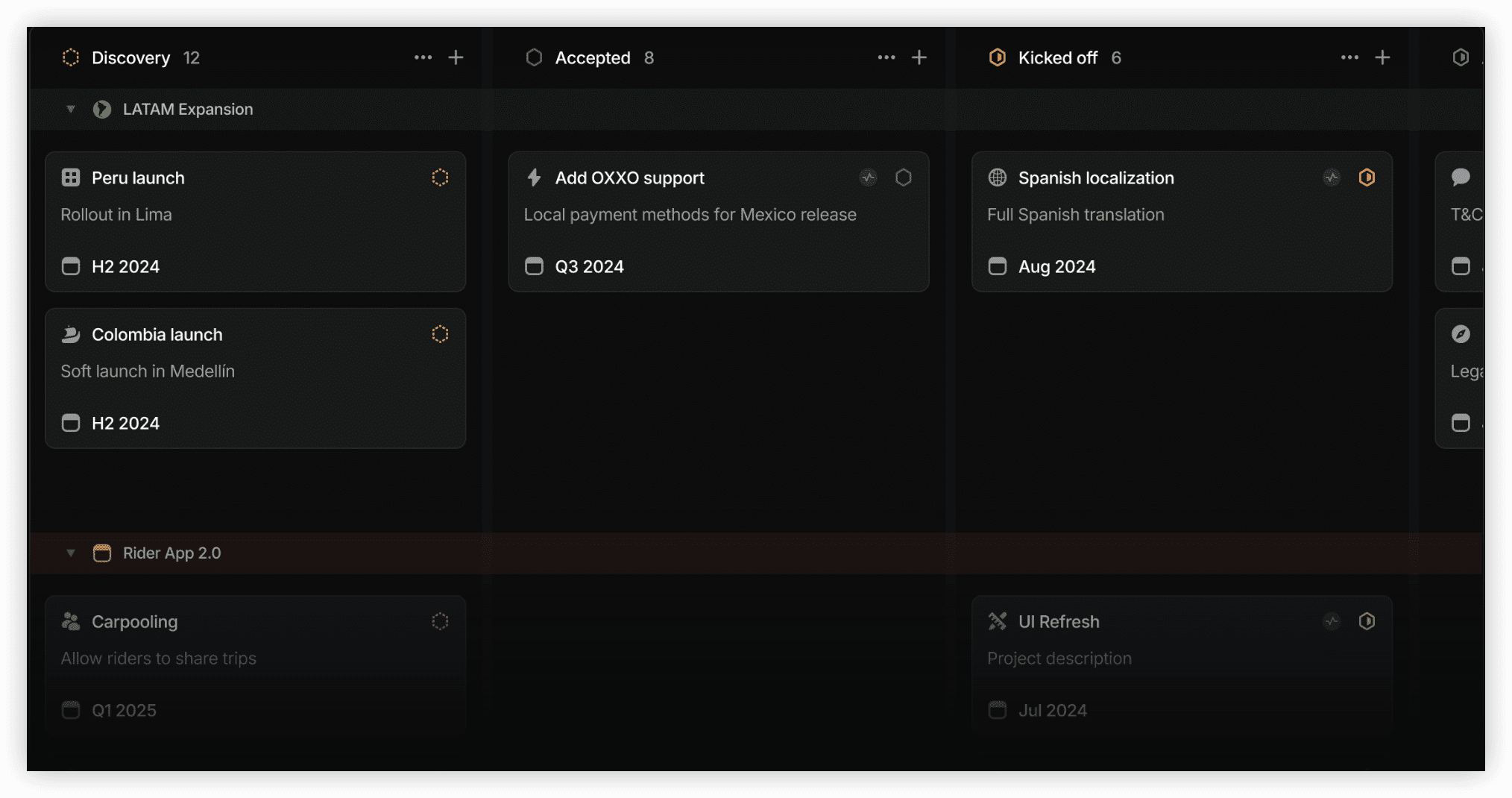
Linear prioritizes operational velocity through minimalist design and performance optimization. Issue creation, assignment, and progression occur with minimal friction. Real-time synchronization ensures consistent state across client applications.
Rationale for Inclusion
Product teams in early-stage companies or rapid iteration environments benefit from reduced process overhead. The interface discourages excessive customization in favor of consistent, predictable workflows. Integration with design and communication tools maintains workflow continuity.
Core Functionality
- Challenge: Defect tracking tools impede rather than accelerate development.
Resolution: Streamlined creation flows and keyboard shortcuts minimize administrative interruption. - Challenge: Remote teams experience state inconsistency.
Resolution: Immediate synchronization ensures all participants observe current defect status.
Notable Constraints
Cloud-only deployment excludes organizations with data residency requirements. Workflow customization is deliberately limited. Scaling to complex organizational structures may necessitate eventual platform transition.
Pricing Structure
Complimentary for up to two teams. Paid tiers from approximately $8 per user monthly.
GitHub Issues
Platform Characteristics
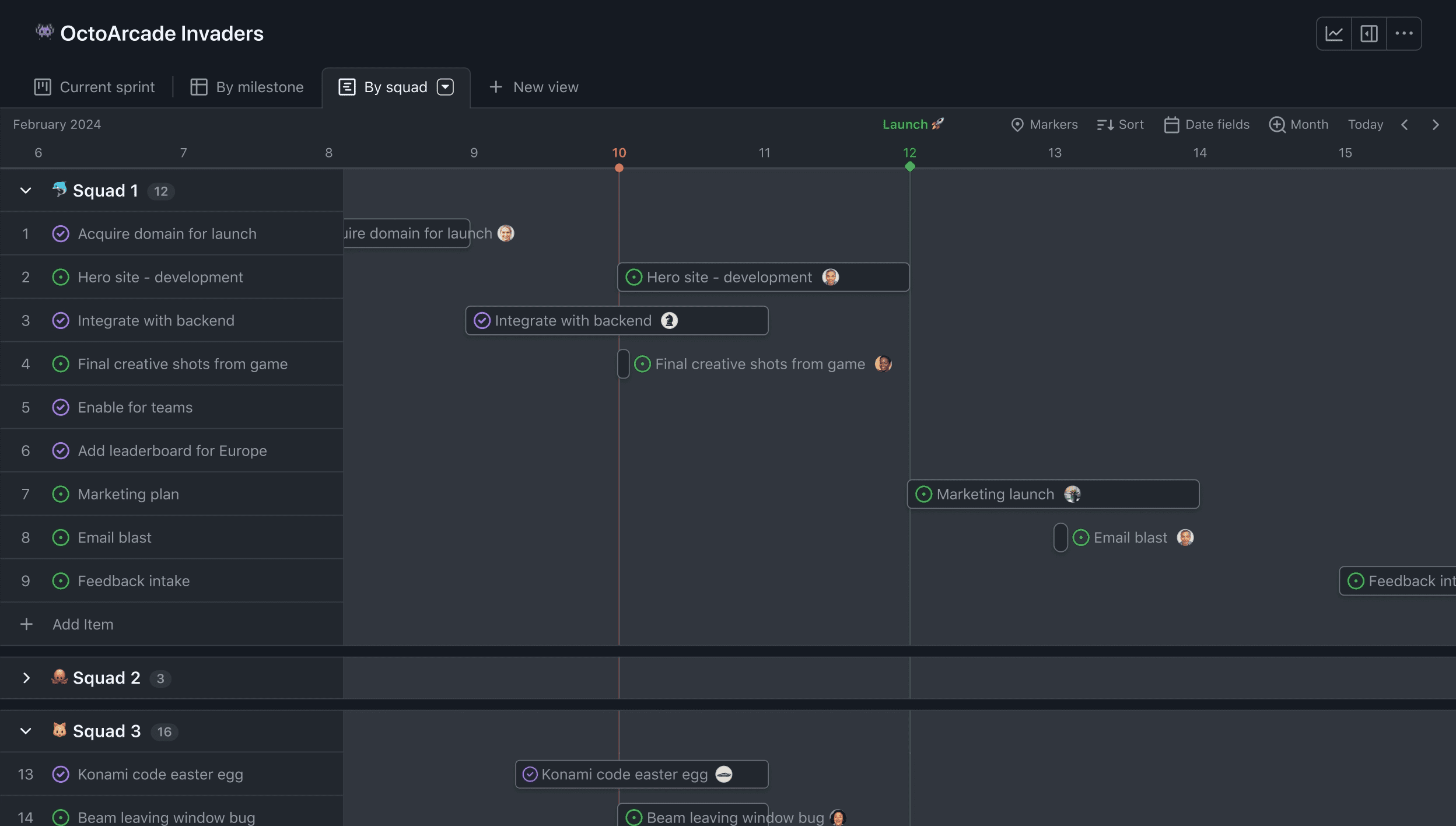
Embedded within the predominant code hosting platform, GitHub Issues provides fundamental defect tracking proximate to version control. Labels, milestones, and project boards organize work without separate system adoption.
Rationale for Inclusion
Development teams already centralized on GitHub minimize tooling fragmentation. The proximity between defect reports and associated code changes accelerates context acquisition. Open-source projects benefit from public accessibility and community contribution workflows.
Core Functionality
- Challenge: Defect context requires navigation between multiple systems.
Resolution: Direct reference to commits, pull requests, and releases within issue threads maintains contextual coherence. - Challenge: Lightweight categorization suffices without elaborate workflow enforcement.
Resolution: Flexible labeling and project board organization accommodate varied team preferences.
Notable Constraints
Absence of native advanced workflow capabilities. Reporting and analytics require external tools or API development. Enterprise governance features remain less mature than dedicated alternatives.
Pricing Structure
Complimentary with public repositories. Private repository access requires paid GitHub plans.
GitLab Issues
Platform Characteristics
As component of a unified DevOps platform, GitLab Issues connects defect records with source control, continuous integration, and deployment pipelines. Merge request association and automated test result linking create traceability across the delivery lifecycle.

Rationale for Inclusion
Organizations adopting GitLab’s integrated approach benefit from reduced integration maintenance. The ability to trace defects from identification through resolution to deployment satisfies compliance requirements in regulated industries.
Core Functionality
- Challenge: Defect resolution status lacks visibility in deployment pipelines.
Resolution: Automated pipeline gates prevent progression when critical defects remain unresolved. - Challenge: Test failures require manual defect creation.
Resolution: CI integration generates defect records directly from automated test outcomes.
Notable Constraints
Premium functionality concentration in higher pricing tiers. Interface complexity reflects platform breadth rather than singular focus. Self-managed installations require substantial infrastructure expertise.
Pricing Structure
Complimentary tier with unlimited users. Paid tiers from approximately $19 per user monthly.
MantisBT
Platform Characteristics
A longstanding open-source solution emphasizing simplicity and rapid deployment. Role-based access control and email notification mechanisms support fundamental quality assurance processes without extensive configuration.
Rationale for Inclusion
Budget-constrained organizations or teams with straightforward defect logging requirements obtain functional capability without licensing expenditure. The lightweight architecture deploys on modest infrastructure.
Core Functionality
- Challenge: Commercial licensing exceeds available budget.
Resolution: Complete functionality without cost or usage limitations. - Challenge: Stakeholders require immediate defect status notification.
Resolution: Configurable email alerts maintain awareness without dashboard dependency.
Notable Constraints
Interface design reflects earlier web application paradigms. Integration ecosystem remains limited compared to commercial alternatives. Mobile accessibility is secondary.
Pricing Structure
No licensing cost. Infrastructure and maintenance responsibility borne by adopting organization.
Bugzilla
Platform Characteristics
The original open-source defect tracker, maintained by Mozilla, emphasizing comprehensive search capabilities and email-driven workflows. Patch review integration supports distributed development coordination.
Rationale for Inclusion
Projects requiring extensive historical defect archives with powerful retrieval capabilities find proven reliability. The email-centric approach accommodates participants preferring asynchronous communication patterns.
Core Functionality
- Challenge: Locating specific defects across extensive history proves difficult.
Resolution: Advanced search syntax with multiple field combinations enables precise retrieval. - Challenge: Patch contributions require structured review workflow.
Resolution: Integrated patch viewing and attachment management support distributed contribution processes.
Notable Constraints
User interface modernization lags contemporary expectations. Initial configuration demands technical expertise. Cloud deployment options are community-supported rather than native.
Pricing Structure
No licensing cost. Self-hosted deployment required.
Redmine
Platform Characteristics
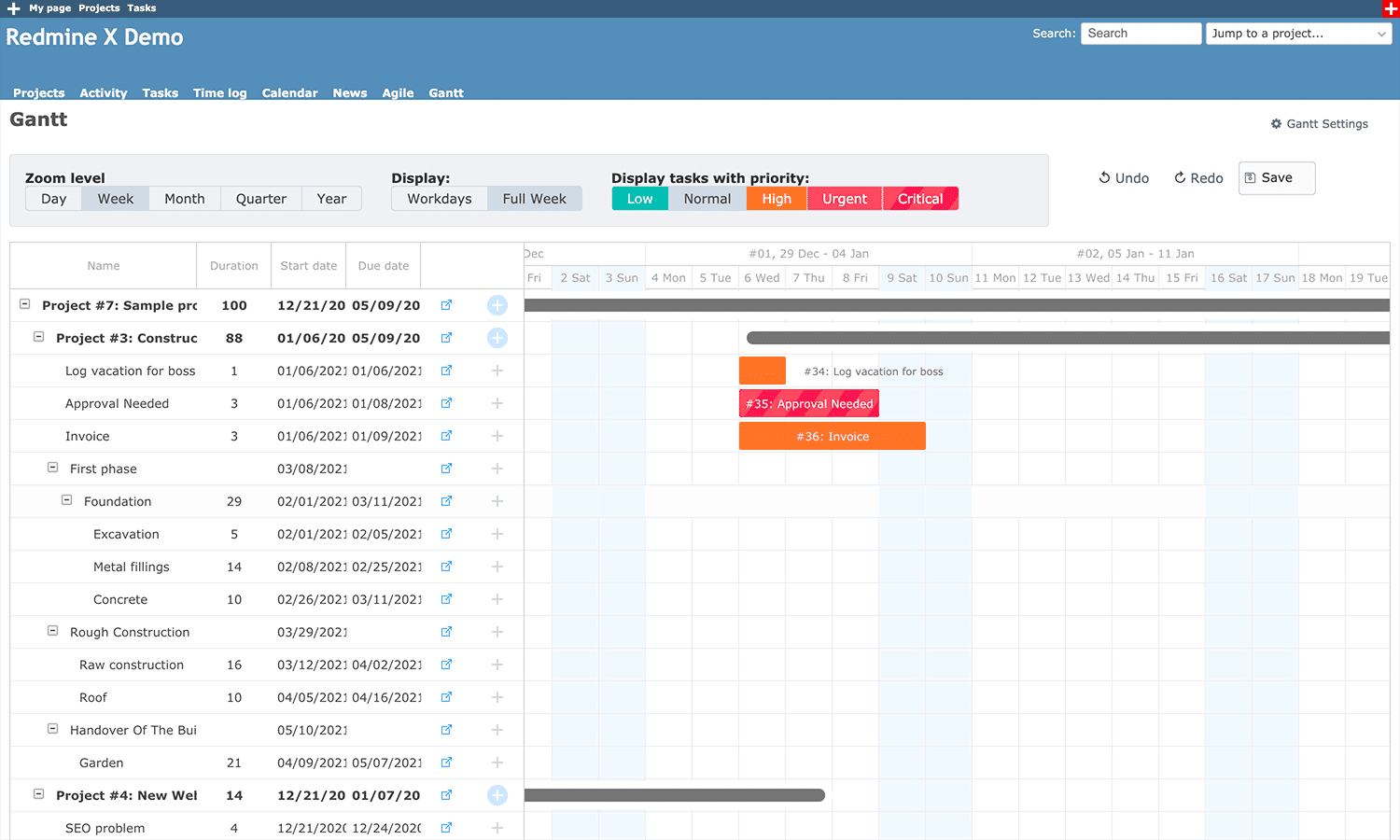
Flexible open-source project management framework with capable defect tracking module. Gantt chart visualization, custom field extensibility, and plugin architecture accommodate diverse application scenarios.
Rationale for Inclusion
Organizations requiring unified project and defect oversight without licensing investment find adaptable foundation. The plugin ecosystem enables incremental capability expansion.
Core Functionality
- Challenge: Defect tracking must coexist with broader project planning.
Resolution: Integrated Gantt charts and milestone management maintain unified perspective. - Challenge: Standard fields prove insufficient for specialized domains.
Resolution: Extensive custom field configuration adapts to varied information requirements.
Notable Constraints
Plugin dependency for advanced capabilities introduces compatibility and maintenance considerations. Performance optimization required for large-scale deployments. User experience consistency varies across extensions.
Pricing Structure
No licensing cost. Infrastructure and maintenance responsibility borne by adopting organization.
Selection Guidance
Organizational Profile Alignment
| Organizational Context | Recommended Initial Evaluation | Rationale |
|---|---|---|
| Regulated enterprise requiring on-premise deployment and unified tooling | ONES | Native integration, deployment flexibility, substantial free tier |
| Established Atlassian ecosystem with complex cross-team dependencies | Jira | Migration cost, proven scalability, extensive marketplace |
| Engineering team prioritizing keyboard efficiency and IDE integration | YouTrack | Developer experience optimization, query performance |
| Product team emphasizing velocity and minimal process overhead | Linear | Friction reduction, real-time collaboration |
| GitHub-centric development with basic tracking needs | GitHub Issues | Tool consolidation, community accessibility |
| DevOps-integrated delivery with pipeline traceability requirements | GitLab Issues | Lifecycle integration, automated governance |
| Limited budget, straightforward requirements, technical administration capacity | MantisBT, Bugzilla, or Redmine | Cost elimination, proven stability, self-determination |
Emerging Developments in 2026
Several trends increasingly influence defect tracking platform evaluation:
- Artificial intelligence assistance — Automated defect classification, duplicate detection, and resolution suggestion reduce manual triage burden. ONES and several commercial alternatives now embed predictive capabilities.
- Unified platform consolidation — Organizations increasingly resist toolchain fragmentation, favoring solutions integrating project management, documentation, and defect tracking to reduce context switching and integration maintenance.
- Deployment sovereignty — Data residency regulations and security postures drive renewed interest in on-premise and private cloud options, particularly in financial services, healthcare, and government sectors.
- Metrics-driven quality improvement — Beyond simple defect counts, teams seek platforms enabling escape rate analysis, resolution time distribution examination, and root cause categorization to guide process refinement.
Critical Capabilities for Evaluation
When assessing defect tracking solutions, prioritize examination of:
- Workflow configurability — Can the system represent your actual defect states, transitions, and approval requirements without excessive customization complexity?
- Notification precision — Do alerts reach appropriate recipients with relevant context, or do they contribute to channel noise and alert fatigue?
- Integration authenticity — Are connections to version control, CI/CD, and communication platforms native and bidirectional, or do they require fragile middleware?
- Reporting actionability — Can stakeholders extract meaningful quality indicators without specialized analytical skills or external business intelligence tools?
- Scalability evidence — Has the platform demonstrated performance at comparable organizational scale and data volume?
Deployment and Security Considerations
| Deployment Mode | Characteristics | Suitable Scenarios |
|---|---|---|
| Public Cloud (SaaS) | Minimal infrastructure responsibility, automatic updates, subscription pricing | Teams prioritizing rapid adoption, limited operations capacity, standard compliance requirements |
| Private Cloud | Dedicated instance isolation, provider-managed infrastructure, configurable update scheduling | Organizations requiring data segregation without operational burden |
| On-Premise / Self-Managed | Complete infrastructure control, network isolation capability, compliance certification flexibility | Regulated industries, classified environments, specific certification requirements |
| Air-Gapped | Physical network disconnection, manual update propagation, maximum security posture | Defense, critical infrastructure, highest sensitivity intellectual property |
Common Implementation Pitfalls
- Excessive workflow complexity — Over-engineered state machines create bottlenecks and discourage consistent usage. Begin with essential states and expand incrementally.
- Neglected migration planning — Historical defect data carries institutional knowledge. Inadequate transfer strategies sacrifice context and trend continuity.
- Integration overestimation — Assumed connectivity between systems often requires unexpected development effort. Validate integration depth during evaluation rather than post-commitment.
- Stakeholder exclusion — Quality assurance, development, product management, and executive perspectives each identify distinct requirements. Unilateral selection risks adoption resistance.
- Training underestimation — Even intuitive platforms benefit from structured onboarding. Deficient preparation produces inconsistent usage patterns and data quality degradation.
Frequently Asked Questions
How does defect tracking differ from general issue tracking?
Defect tracking specifically addresses software anomalies with structured reproduction steps, severity classification, and quality verification workflows. General issue tracking encompasses broader work items including features, tasks, and inquiries, often with less rigorous quality gating. Many platforms support both modalities, but specialized defect management emphasizes regression prevention and escape analysis.
Are defect tracking tools applicable beyond software development?
Certainly. Manufacturing quality management, hardware engineering, content publishing, and service delivery operations adapt defect tracking methodologies for anomaly identification, resolution coordination, and pattern analysis. The fundamental cycle of detection, recording, assignment, resolution, and verification transfers across domains, though field configurations require adjustment.
Which tools best support Scrum-based agile teams?
Teams practicing Scrum benefit from sprint-aligned capabilities including backlog refinement support, burndown visualization, and sprint boundary enforcement. ONES, Jira, and YouTrack provide explicit Scrum-oriented configurations. Linear accommodates agile practices with less prescriptive structure. The optimal choice depends on desired ceremony rigidity versus team autonomy.
What migration approach works for spreadsheet-based defect records?
Transitioning from spreadsheets requires structured field mapping, historical data transformation, and usage pattern adjustment. Most platforms offer import utilities accepting CSV formats. Critical success factors include: standardizing severity and priority classifications beforehand, establishing unique identifiers for cross-reference preservation, and planning parallel operation periods to validate data integrity before decommissioning spreadsheets.
Does ONES accommodate smaller team structures?
The thirty-user complimentary tier supports substantial small-to-medium teams. However, the platform’s enterprise orientation toward complex governance, cross-project visibility, and advanced configuration may exceed requirements for groups below ten members with straightforward processes. Such teams should evaluate whether the capability depth justifies the learning investment relative to lighter alternatives.
Concluding Assessment
Effective defect tracking in 2026 demands alignment between organizational scale, security requirements, integration complexity, and team workflow preferences. The nine platforms evaluated represent substantively different architectural philosophies—from ONES’ unified enterprise approach through Jira’s configurability depth to open-source simplicity.
The selection process benefits from explicit prioritization: deployment constraints eliminate certain options regardless of feature appeal; integration requirements filter remaining candidates; usability preferences finalize among viable alternatives. Resist feature accumulation as primary criterion; instead, evaluate how each platform enables consistent, accurate defect management within your specific operational context.
For organizations confronting tool fragmentation, seeking deployment flexibility, or pursuing metrics-informed quality improvement, ONES merits primary evaluation. Its integration of project management, knowledge preservation, and defect tracking within configurable deployment options addresses prevalent 2026 infrastructure and governance requirements.