400-188-1518
7 Best Private Cloud Jira Alternatives for 2026: Enterprise Deployment Guide with Pricing
7 Best Private Cloud Jira Alternatives for 2026: Enterprise Deployment Guide with Pricing
Organizations requiring on‑premises or isolated cloud infrastructure face a persistent challenge: Jira’s licensing complexity, plugin dependencies, and cloud‑first architecture create friction for regulated environments. This guide examines seven platforms that deliver comparable project management capabilities within infrastructure you fully control.
The tools evaluated here are: 1. ONES, 2. YouTrack, 3. GitLab, 4. Azure DevOps Server, 5. OpenProject, 6. Plane, and 7. Redmine. Each supports genuine private deployment—not merely SaaS rebranded—and offers distinct architectural advantages depending on your team’s technical profile and governance requirements.
Quick Overview: Which Platform Matches Your Context
For teams seeking unified project management with integrated knowledge capabilities and identical feature parity across deployment modes, ONES presents the most coherent replacement strategy. It eliminates the plugin accumulation common in Jira migrations while preserving workflow semantics teams already understand.
Specialized contexts favor alternatives: JetBrains YouTrack suits teams prioritizing issue customization depth; GitLab aligns with DevSecOps pipelines; Microsoft‑centric enterprises benefit from Azure DevOps Server’s stack integration; OpenProject and Plane serve open‑source preferences with modern interfaces; Redmine remains viable for cost‑constrained technical teams comfortable with plugin assembly.
Evaluation Framework: How These Platforms Were Assessed
Selection criteria emphasized deployment authenticity rather than marketing positioning. Each platform was verified against five weighted dimensions:
- Deployment Integrity (30%): Whether on‑premises installation delivers complete functionality without cloud‑dependent feature gaps
- Workflow Adaptability (20%): Native support for custom issue schemas, state transitions, and board configurations without external scripting
- Functional Scope (20%): Coverage of backlogs, sprint cycles, roadmaps, analytics, and automation without supplementary marketplace purchases
- Cost Predictability (15%): License clarity for perpetual or subscription models, including hidden infrastructure or support expenses
- Operational Resilience (15%): Availability of professional support channels and community resources for self‑managed troubleshooting
Comprehensive Platform Analysis
1. ONES — Enterprise Unified Development Platform
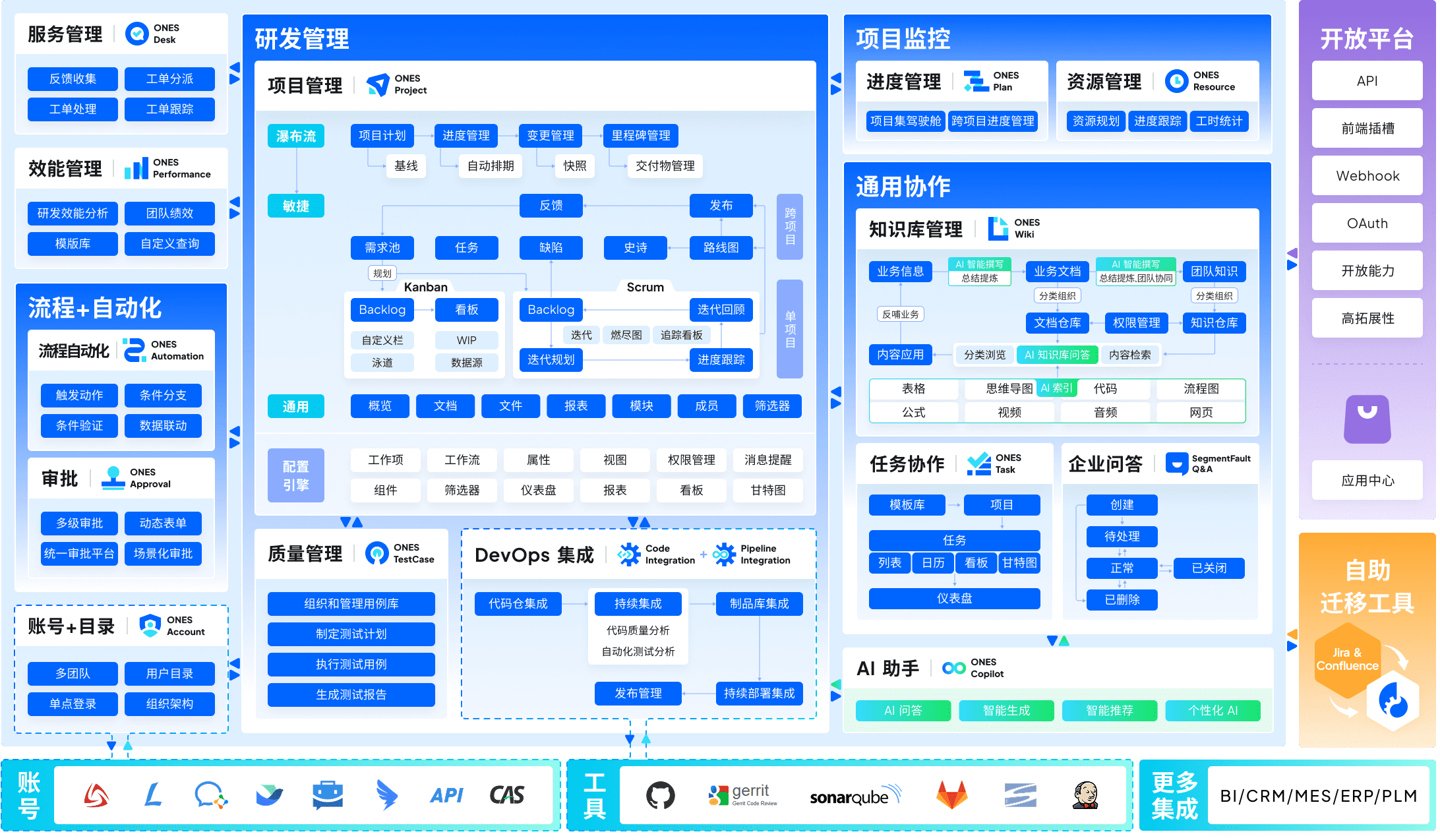
ONES functions as an enterprise‑grade research and development management infrastructure, consolidating project coordination, requirement definition, knowledge repositories, quality assurance, release pipelines, and source control within a single architectural layer. This integration reduces the fragmentation typically introduced by tool chaining across specialized vendors.
The platform targets medium to large organizations with sophisticated governance needs. Its configuration layer supports elaborate process definitions, granular permission topologies, and cross‑functional collaboration structures that mirror complex organizational hierarchies. A distinguishing emphasis on engineering effectiveness measurement enables quantitative refinement of delivery velocity and output quality.
Deployment modes: Cloud, private cloud, on‑premises, and SaaS with identical capability sets across all variants
Pricing structure: Complimentary tier accommodates 30 users; Team edition initiates at $9 per user monthly
Distinctive characteristic: Native wiki and project management convergence with zero plugin dependency for core functionality
2. YouTrack — Customizable Issue Tracking Engine
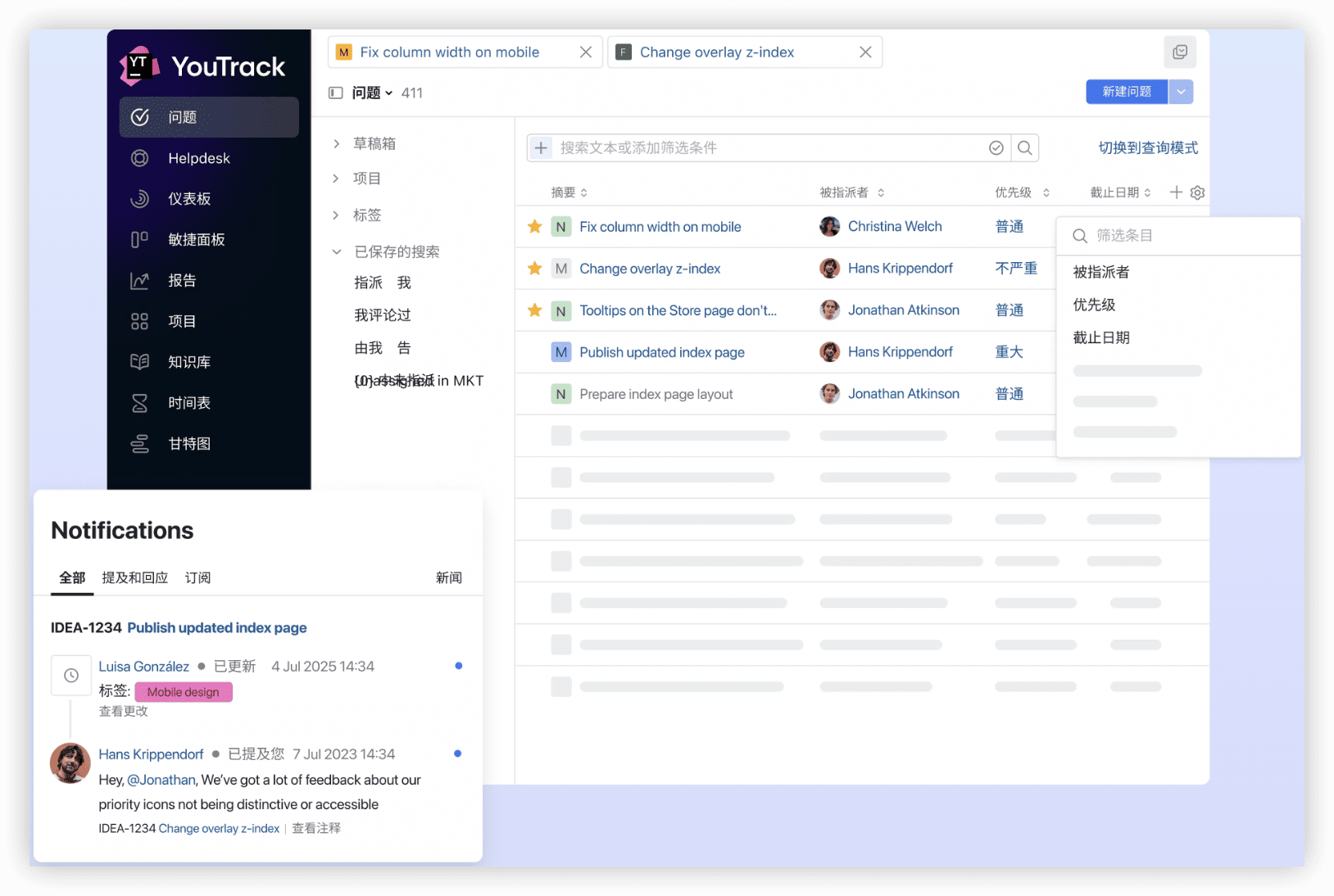
JetBrains’ project tracker emphasizes deep workflow configurability within isolated deployment contexts. Its InCloud private instance option provides dedicated infrastructure without shared tenancy, while standalone installation permits complete environmental control.
The platform’s query language and automation rules accommodate elaborate issue state machines that rival Jira’s workflow engine complexity. Teams already embedded in JetBrains’ development ecosystem find particular synergy with IDE integrations and VCS connectivity.
Deployment modes: Cloud, InCloud isolated instance, and standalone self‑managed
Pricing structure: No cost for ten users; InCloud from $4.40 per user monthly
Distinctive characteristic: Workflow customization and issue relationship modeling without external extension dependencies
3. GitLab — Integrated DevSecOps Foundation
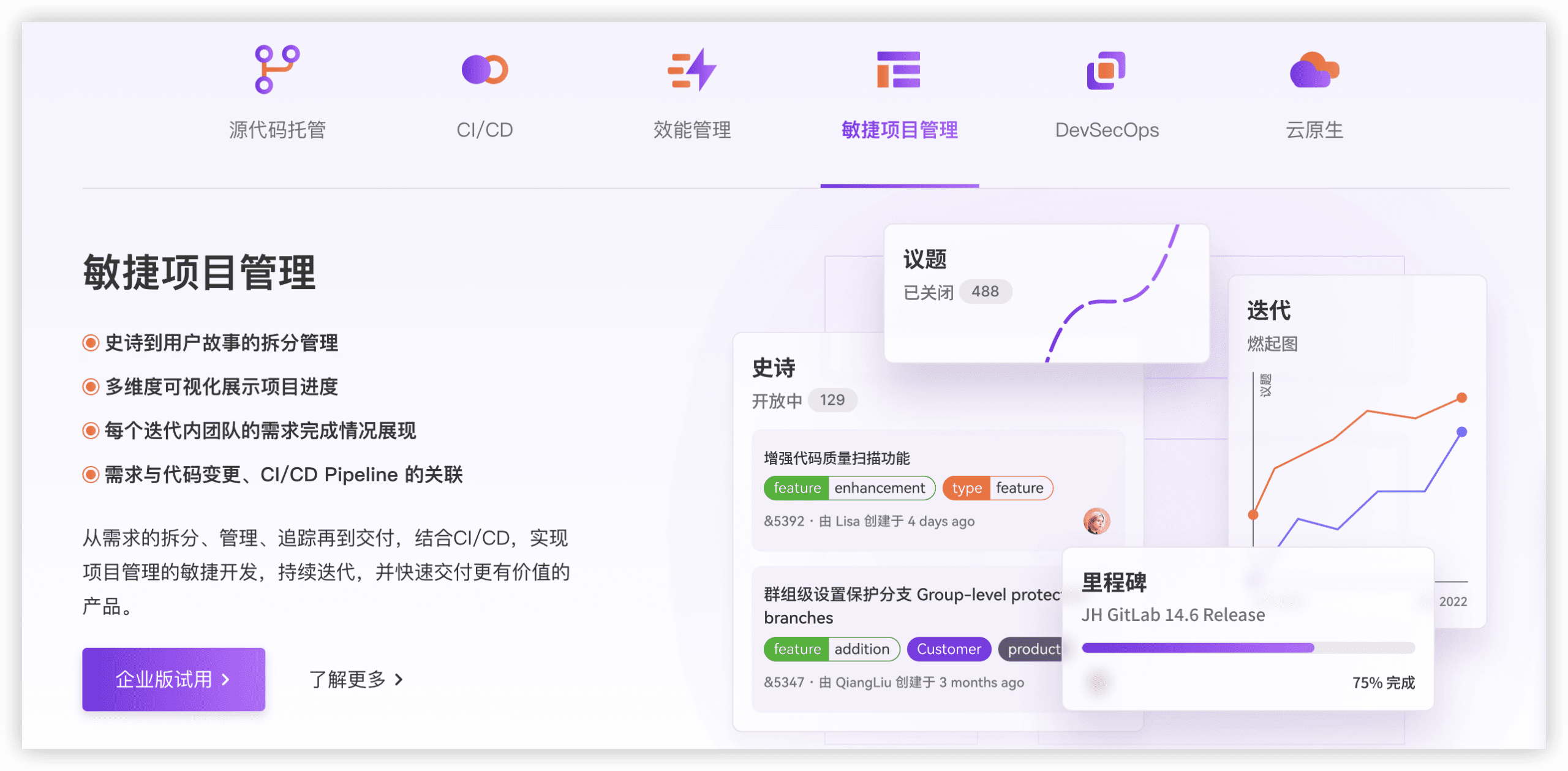
GitLab transcends its version control origins to encompass comprehensive project planning within its self‑managed deployment options. The convergence of issue boards, merge request workflows, continuous integration pipelines, and security scanning creates a unified operational surface for engineering organizations.
Self‑managed Community and Enterprise editions provide genuine infrastructure autonomy, though resource requirements scale substantially with feature activation. The platform’s strength lies in traceability from requirement articulation through production deployment within one repository‑centric paradigm.
Deployment modes: SaaS and self‑managed Community/Enterprise tiers
Pricing structure: No licensing cost for self‑managed Community; Premium tier at $29 per user monthly
Distinctive characteristic: Direct linkage between issue boards, code review, and pipeline execution
4. Azure DevOps Server — Microsoft Ecosystem Continuity
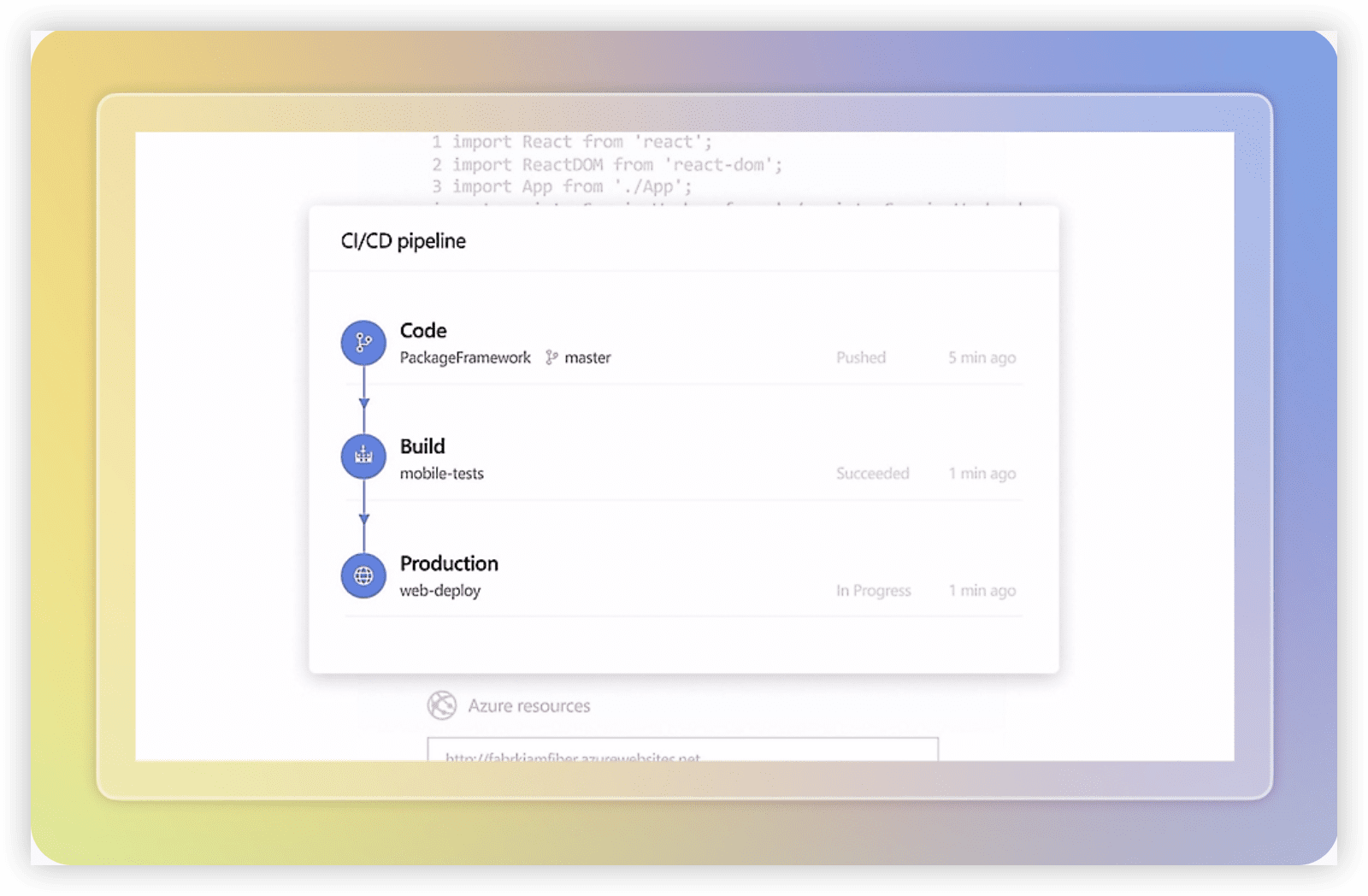
Microsoft’s on‑premises offering preserves backlog management, repository hosting, and build orchestration for organizations standardized on Windows Server infrastructure and Active Directory identity models. The Server edition maintains feature correspondence with Azure DevOps Services while satisfying data residency requirements.
Integration with Visual Studio, Office productivity tools, and Microsoft security frameworks reduces friction for enterprises with substantial existing licensing investments. End‑to‑end traceability from work item inception through release artifact generation supports regulated documentation requirements.
Deployment modes: On‑premises Server edition and cloud Azure DevOps Services
Pricing structure: Basic tier complimentary for five users; paid licensing from $6 per user monthly
Distinctive characteristic: Complete requirement‑to‑release audit trail within Microsoft technology stacks
5. OpenProject — Open‑Source Project Control Center
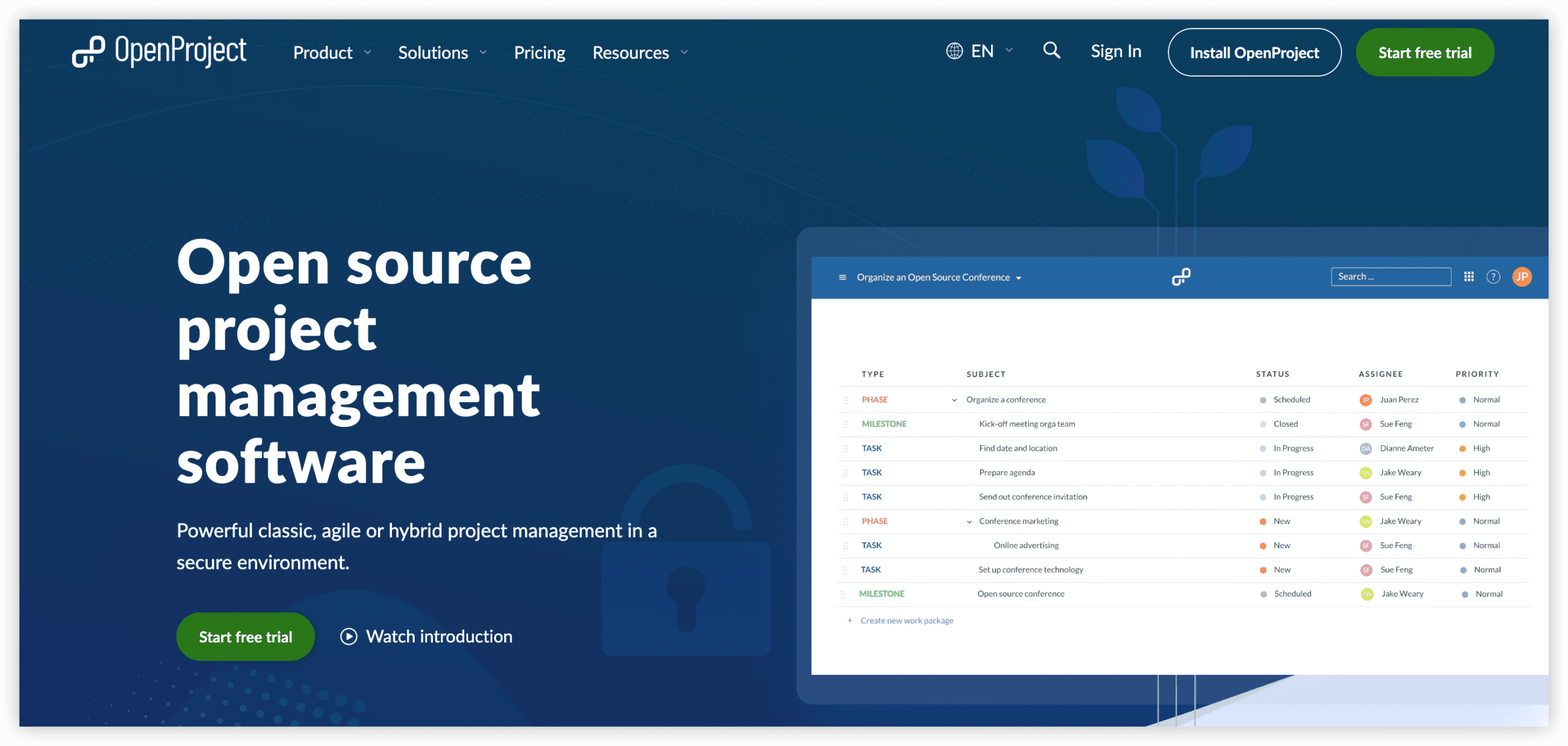
This established open‑source platform delivers traditional project management visualization through Gantt timelines alongside contemporary agile board implementations. Its Community edition provides unrestricted self‑hosted deployment without user quantity limitations, while Enterprise packaging adds professional support and advanced security features.
The interface balances accessibility for non‑technical stakeholders with sufficient depth for project control practitioners. Time tracking, cost reporting, and meeting management extensions broaden applicability beyond pure software development contexts.
Deployment modes: On‑premises and cloud hosting options
Pricing structure: Community edition without licensing fees; Enterprise from €5.95 per user monthly
Distinctive characteristic: Consolidated Gantt planning, agile execution, and resource time tracking
6. Plane — Contemporary Open‑Source Tracker
Emerging from the open‑source ecosystem, Plane presents a streamlined interface organized around cycles (sprint equivalents), modules (functional groupings), and intuitive issue presentation. Docker‑based self‑hosting enables rapid deployment on existing container infrastructure.
The platform deliberately constrains feature scope to core tracking and planning functions, avoiding the accumulated complexity that burdens longer‑established alternatives. This minimalism appeals to teams seeking rapid adoption without extensive configuration investment.
Deployment modes: Self‑hosted via Docker; cloud offering under development
Pricing structure: Fully open‑source without licensing costs; cloud pricing pending announcement
Distinctive characteristic: Cycle and module abstractions with visually refined issue interaction
7. Redmine — Extensible Self‑Hosted Foundation
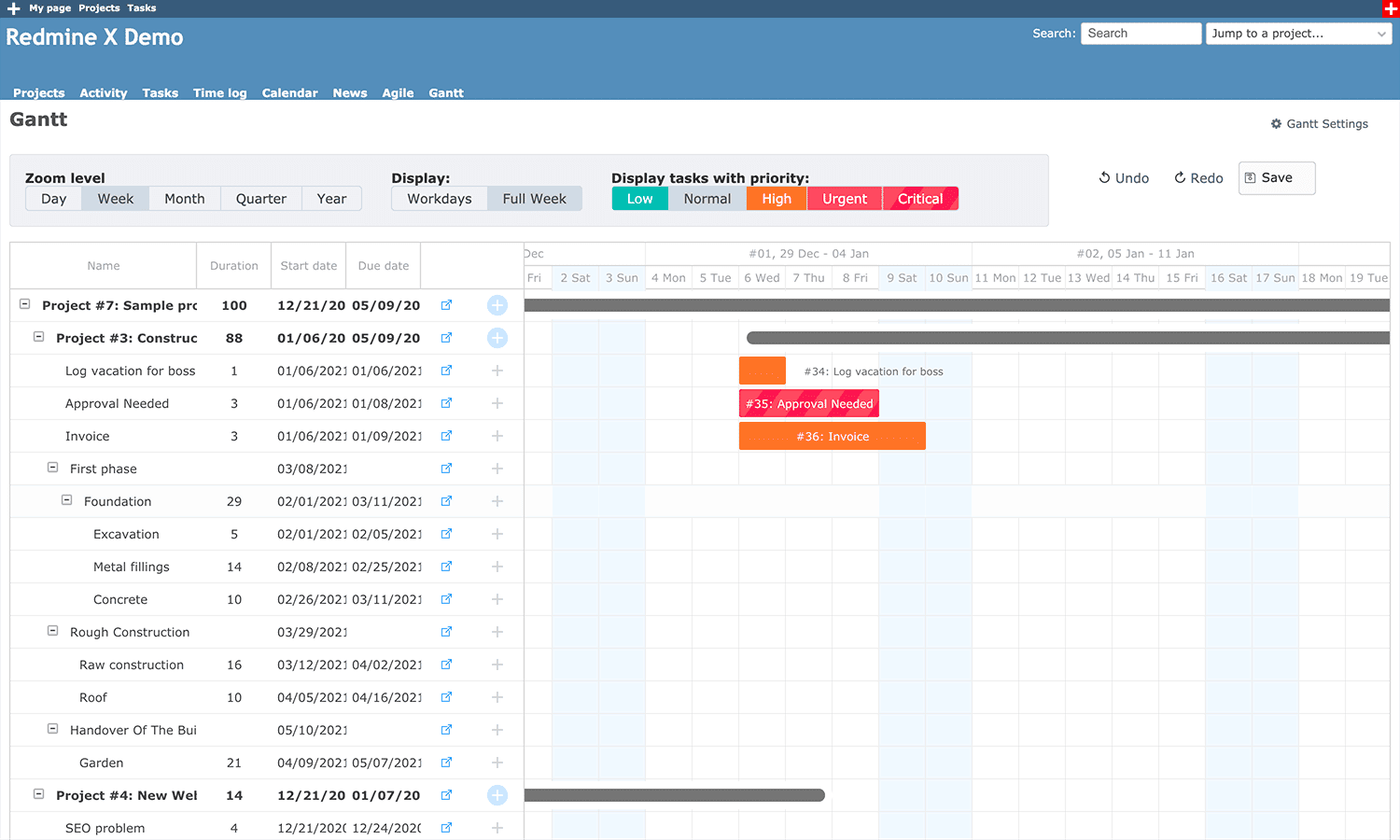
Among the longest‑serving open‑source project trackers, Redmine provides a plugin architecture of considerable breadth, enabling functional approximation of most Jira capabilities through community and commercial extensions. Its Ruby on Rails foundation permits deployment on modest hardware resources.
The platform demands greater technical investment for initial configuration and ongoing maintenance than contemporary alternatives, but rewards that investment with absolute cost elimination and architectural transparency. Organizations with dedicated platform engineering capacity can achieve highly tailored implementations.
Deployment modes: Exclusively self‑hosted
Pricing structure: Without licensing fees of any kind
Distinctive characteristic: Plugin ecosystem capable of replicating extensive Jira functionality through modular assembly
Comparative Summary
| Platform | Optimal Context | Deployment Options | Entry Pricing | Complimentary Tier |
|---|---|---|---|---|
| ONES | Unified R&D management with knowledge integration | Cloud, private cloud, on‑premises, SaaS | $9/user/month | 30 users |
| YouTrack | Deep workflow customization in isolated environments | Cloud, InCloud private, standalone | $4.40/user/month | 10 users |
| GitLab | DevSecOps pipeline integration | SaaS, self‑managed | $29/user/month | Unlimited (self‑managed) |
| Azure DevOps Server | Microsoft infrastructure standardization | On‑premises, cloud | $6/user/month | 5 users |
| OpenProject | Open‑source with enterprise support option | On‑premises, cloud | €5.95/user/month | Unlimited (self‑hosted) |
| Plane | Minimalist modern tracking | Self‑hosted (Docker) | TBD | Unlimited |
| Redmine | Zero‑cost technical customization | Self‑hosted | Free | Unlimited |
Selection Guidance by Organizational Profile
Enterprise with complex governance: ONES provides the most coherent alternative for organizations requiring unified R&D management with measurable engineering effectiveness improvement and cross‑departmental coordination structures.
JetBrains toolchain investment: YouTrack leverages existing IDE and VCS relationships while offering superior workflow customization depth.
Container‑native DevSecOps: GitLab’s convergence of planning, development, and operations within one repository‑centric platform reduces toolchain fragmentation.
Microsoft ecosystem dominance: Azure DevOps Server preserves existing identity, security, and productivity tool investments while satisfying data residency constraints.
Open‑source preference with support safety net: OpenProject balances zero‑cost self‑hosting with professionally supported escalation paths.
Rapid deployment with minimal configuration: Plane’s containerized distribution enables immediate functionality without extensive setup investment.
Minimal budget with technical capability: Redmine’s plugin ecosystem enables gradual capability expansion at zero licensing cost.
Frequently Asked Questions
What distinguishes genuine private cloud deployment from SaaS with restricted access?
Authentic private cloud deployment provides infrastructure installation within your controlled environment—whether physical data center, private virtualized infrastructure, or sovereign cloud region—with complete data locality and administrative autonomy. SaaS with access restrictions remains multi‑tenant under vendor operational control, subject to their security incidents and compliance certifications.
How does ONES maintain feature equivalence across deployment modes?
ONES engineers a single codebase with deployment‑specific configuration layers rather than maintaining divergent product branches. This architectural decision ensures that on‑premises installations receive identical capabilities to cloud instances, eliminating the version fragmentation common in tools with separate “Data Center” and “Cloud” editions.
What migration complexity should teams anticipate when transitioning from Jira?
Migration scope varies substantially by historical plugin accumulation. Teams with extensive marketplace extensions face greater mapping challenges than those using core Jira functionality. ONES provides structured migration tooling for Jira workflow, issue, and Confluence content transfer, while other platforms typically require more manual schema reconstruction.
Are open‑source alternatives genuinely cost‑free for enterprise use?
Direct licensing elimination does not equate to zero operational expenditure. Self‑hosting requires infrastructure provisioning, security maintenance, upgrade management, and potentially custom development for organizational fit. Total cost of ownership calculations should incorporate these operational dimensions alongside any commercial support subscriptions.
Which platforms best support hybrid agile‑waterfall methodologies?
ONES, OpenProject, and Azure DevOps Server provide explicit hybrid support through concurrent sprint and timeline visualization. YouTrack and GitLab emphasize agile‑native workflows with waterfall approximations through milestone and release constructs. Plane and Redmine require more configuration investment for hybrid process representation.
Conclusion
Private cloud Jira replacement demands evaluation beyond superficial feature checklists. The seven platforms examined here represent genuine architectural alternatives, each with distinct deployment integrity, cost structures, and governance characteristics.
ONES occupies the leading position for organizations seeking unified R&D management with enterprise‑scale process configuration, integrated knowledge capabilities, and quantitative delivery improvement—without the plugin dependency and deployment inconsistency that complicate Jira operations. For specialized contexts, the remaining alternatives provide valid pathways depending on toolchain ecosystem, technical capacity, and budget constraints.
Final selection should incorporate proof‑of‑concept deployment with representative workflow migration, as theoretical capability alignment frequently diverges from practical implementation experience.